Phone: (02) 9099 4688
0404 330 088 (WhatsApp / Text Only For Pictures & Files)
Phone: (02) 9099 4688
0404 330 088 (WhatsApp / Text Only For Pictures & Files)

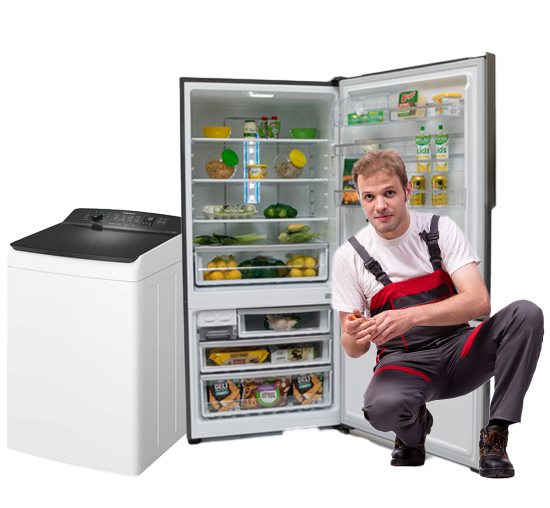
Westinghouse is a trusted name in the home appliance industry, offering a broad range of reliable products including refrigerators, washing machines, ovens, dishwashers, and more. If you’re based in Sydney and require repairs for your Westinghouse appliances, it’s important to choose a reputable and experienced service provider. These appliances are built for performance and longevity, so professional care is essential to maintain their function and value.
Get in touch with us to enquire about our service costs and warranty options. We offer competitive pricing and back our work with warranties to give you confidence and peace of mind.
When booking a Westinghouse appliance repair in Sydney, it’s important to provide a clear and accurate description of the issue. This allows the technician to better understand the problem in advance, ensuring they arrive fully prepared with the right tools and any required replacement parts for a faster and more effective repair.
Give us a bell for a no-obligation, FREE quote over the phone for your appliance repair – too easy!
Westinghouse washing machines, like many appliances, can experience a range of common issues over time due to regular wear and tear, improper use, or component failure. Below are some of the most frequently encountered faults with Westinghouse washing machines along with potential solutions:
1. Washing Machine Won’t Start
This is often caused by a power issue, faulty lid switch, or control board malfunction. First, ensure the power cord is securely plugged in and the outlet is functioning by testing it with another appliance. Also, check the circuit breaker. If power is confirmed, the lid switch may be faulty—this is a common failure point, especially in top-loading models. Replacing the lid switch or the door latch (for front-loaders) typically resolves the issue. In rare cases, the main control board may be at fault, which would require professional diagnosis and replacement.
2. Machine Not Draining Properly
A common culprit is a clogged or blocked drain pump or hose. If water remains in the drum after the cycle, inspect the drain hose for kinks or obstructions. Also, check the pump filter for debris such as lint, coins, or fabric that may block water flow. Cleaning out the filter or replacing a faulty drain pump usually fixes this problem.
3. Water Leaks During Cycle
Leaks can originate from several places—door seals, hoses, or the detergent drawer. If you notice water pooling around the machine, inspect the door gasket (especially on front-loaders) for tears or buildup of residue that might prevent a proper seal. Check inlet hoses for cracks or loose connections. If the detergent drawer is leaking, it could be due to using too much detergent or blockages—remove and clean the drawer thoroughly.
4. Excessive Vibration or Noise
This issue is often due to an unbalanced load, especially during the spin cycle. Make sure the clothes are evenly distributed in the drum. If the problem persists, check whether the machine is level on the floor and adjust the feet accordingly. Shock absorbers, drum bearings, or suspension rods may also wear out over time and may need replacement to reduce noise and movement.
5. Clothes Not Cleaning Properly
If clothes are coming out still dirty, the issue could be related to using too much or too little detergent, low water temperature, or a malfunctioning agitator or drum movement. Always use the recommended amount of detergent and choose appropriate wash settings. Additionally, check that the spray arms (if applicable) and internal components are moving correctly during the cycle.
6. Machine Not Spinning
When a washing machine fails to spin, it could be because of a faulty drive belt, motor, or lid switch. Also, an unbalanced load or a drainage problem can prevent spinning. Begin by checking for error codes (if the model has a digital display), then inspect the belt or clutch mechanism. If the drum is hard to move manually, the motor or transmission could be the issue, which may require a technician.
7. Error Codes Displayed
Westinghouse washing machines often use error codes to diagnose problems. Refer to the user manual for specific code meanings (e.g., E20 for drainage issues, E10 for water intake problems). Clearing these often involves resolving the underlying issue (cleaning filters, checking valves, etc.), then unplugging the machine for a few minutes to reset the system.
For persistent or complex issues, contacting a certified technician or Westinghouse service center is recommended, especially if the machine is still under warranty. Regular maintenance—like cleaning filters, checking hoses, and not overloading—goes a long way in preventing many of these problems.
Westinghouse fridges, like all refrigerators, can develop common faults over time due to wear, environmental factors, or improper use. Here’s a look at typical problems with Westinghouse refrigerators and how to address them:
1. Fridge Not Cooling Properly
One of the most frequent issues is when the fridge isn’t cooling as it should. This can be due to dirty condenser coils, blocked air vents, a faulty thermostat, or a malfunctioning compressor. Start by cleaning the coils at the back or underneath the fridge to ensure heat can dissipate properly. Make sure the vents inside the fridge and freezer aren’t blocked by food items. If the temperature remains too warm, test the thermostat and consider replacing it if it’s not responding correctly. A failing compressor or sealed system issue, however, will likely require professional service.
2. Freezer Works But Fridge Is Warm
This usually points to problems with airflow between the freezer and fridge compartments. The evaporator fan, responsible for circulating cold air, may be faulty. Another possibility is a blocked or iced-over evaporator coil or damper. Defrosting the fridge (turn it off for 24 hours) can temporarily resolve ice blockages, but if it recurs, a faulty defrost timer, heater, or sensor might be to blame. The fan motor may also need replacing if it’s not running at all.
3. Excessive Frost in the Freezer
When frost builds up quickly in the freezer, it’s often due to a damaged door gasket allowing warm air to enter, or a broken defrost system. Check the door seal for gaps or cracks and replace it if necessary. If the gasket is fine, the automatic defrost system (including the defrost heater, thermostat, and timer) may have failed. You’ll typically need a multimeter to test these components for continuity and replace any that are faulty.
4. Water Pooling Under or Inside the Fridge
This issue commonly stems from a clogged or frozen defrost drain. During the defrost cycle, water from the evaporator coil is supposed to drain into a pan below the fridge. If this drain is blocked, water can pool inside the compartments. Unclog the drain with warm water and a pipe cleaner or a turkey baster. Make sure the fridge is level to ensure proper drainage. Another potential cause is a cracked or disconnected water line (for models with ice makers or water dispensers), which may require line replacement.
5. Strange Noises or Loud Operation
Unusual sounds like clicking, buzzing, or rattling can be caused by a variety of factors. A humming sound is normal, but louder than usual noises may suggest a problem with the condenser fan, evaporator fan, or compressor. Inspect both fans for obstructions or wear. If a clicking sound repeats every few minutes, it could indicate the compressor is struggling to start—a bad start relay or capacitor may be the cause and can often be replaced easily.
6. Ice Maker Not Working
If your Westinghouse fridge has an ice maker that stops producing ice, the issue could stem from low water pressure, a blocked or frozen water line, or a malfunctioning water inlet valve. First, ensure the water supply is turned on and that the filter isn’t clogged (replace it every 6 months). Check if the ice maker arm is stuck in the off position. If none of these resolve the issue, inspect or replace the inlet valve or the ice maker assembly.
7. Fridge Constantly Running
A fridge that runs non-stop may be working too hard to maintain temperature, often due to dirty condenser coils, an overly warm setting, or frequent door openings. First, clean the coils and ensure the door seals tightly. Also check that the temperature is set correctly—typically around 3–4°C (37–40°F) for the fridge and -18°C (0°F) for the freezer. If the appliance still runs constantly, the thermostat or control board may be defective.
8. Interior Light Not Working
If the light inside the fridge doesn’t turn on when the door is opened, the most likely causes are a burned-out bulb, a faulty door switch, or wiring issues. Try replacing the bulb first. If that doesn’t help, test the door switch and replace it if necessary.
For recurring or more complex issues, it’s always wise to consult the user manual for troubleshooting guidance or call a qualified Westinghouse technician. Like with washing machines, routine maintenance—such as cleaning coils, inspecting seals, and replacing filters—can significantly extend the life and efficiency of your fridge.
This website is not affiliated with, nor endorsed by any of the above mentioned brands.
Appliance Network PTY LTD – repair and services all types of washing machines, including any brands mentioned above.